You’ve seen the streams—the headshots, the clutch plays, the tournament wins. But behind every flashy highlight is a question few actually answer: esport competitive what is player in? Most guides drown you in gear specs and practice hours while ignoring the psychological and strategic DNA that separates contenders from spectators. The truth? Being “good” isn’t enough. You need a system—not just skill.
Why “Just Play More” Fails 97% of Aspiring Mobile Esports Athletes
Grinding ranked matches for 8 hours a day won’t fix bad decision-making. And it certainly won’t build the mental resilience needed when your team’s down 0-2 in a best-of-five. The industry’s dirty little secret? Raw mechanics plateau fast on mobile—touch controls, screen size, and network latency cap reaction-based dominance far earlier than on PC or console.
What actually wins? Adaptability. Pattern recognition. Emotional regulation under pressure. Yet coaches and content creators obsess over sensitivity settings while ignoring cognitive load management—the real bottleneck for competitive mobile players.
esport competitive what is player in: The 4-Phase Tactical Framework
Forget “tips.” This is how elite mobile esports athletes structure their entire approach—from warm-up to post-match analysis.
Mindset Calibration (Pre-Session)
Spend 5 minutes journaling your emotional baseline. Are you tilted? Bored? Overconfident? Match your mental state to your objective: learning vs. ranking vs. scrims. Never mix them.
Micro-Skill Targeting (In-Game)
Pick ONE mechanical or strategic element per session—map rotations in PUBG Mobile, ability combos in Wild Rift, or economy timing in Clash Royale. Track success rate manually. No vague “get better” goals.
Post-Match Autopsy (Within 1 Hour)
Watch ONLY your own POV replay. Note three decisions—not kills—that changed the outcome. Save clips in categorized folders: “Positioning Errors,” “Resource Mismanagement,” etc.
Peer Benchmarking (Weekly)
Compare your stats against one player slightly above your rank. Not Faker. Not a pro. Someone attainable. Reverse-engineer their macro patterns, not just micro.
| Training Focus | Amateur Approach | Elite Mobile Esports Player |
|---|---|---|
| Mechanics | Random deathmatch grinding | Isolated drills (e.g., 1v1 bot scenarios with specific win conditions) |
| Strategy | Copies pro team comps blindly | Adapts meta based on personal playstyle + regional server trends |
| Recovery | Plays through tilt | Enforces 20-minute cooldown after losses; uses HRV biofeedback if possible |
The Industry Secret: Your Phone Isn’t the Limitation—Your Data Is
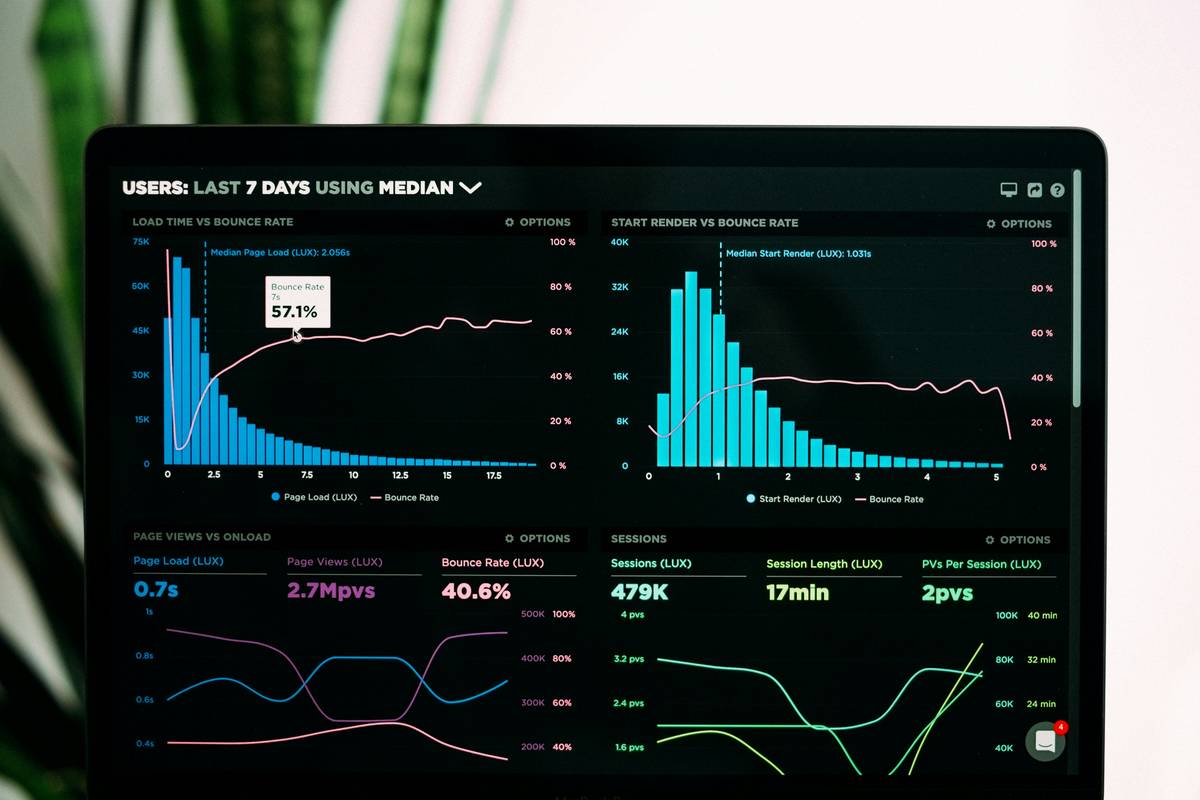
Top orgs like Team Falcons and T1 don’t just scout raw talent—they mine telemetry data most players never see. Touch pressure variance. Swipe acceleration curves. Even how often you glance away from the screen during reloads. This isn’t sci-fi. Apps like Skillcut and Mobalytics already capture fragments of this. But here’s the kicker: you don’t need fancy tools. Just track your own “decision lag”—the time between spotting an enemy and acting. If it’s inconsistent, no amount of aim training fixes that. Fix perception first. Action follows.
And—yes—this applies even if you’re playing on a $200 device. Hardware matters less than pattern awareness. Always has.
Frequently Asked Questions
What defines a competitive esports player on mobile?
A player who prioritizes strategic consistency over highlight moments—and measures progress through repeatable systems, not just rank climbs.
Can casual gamers become competitive mobile esports athletes?
Yes—if they shift from reactive play to intentional practice. Ten focused minutes beat two unfocused hours.
Which games have the strongest mobile esports scenes in 2024?
PUBG Mobile, Mobile Legends: Bang Bang, and Call of Duty: Mobile lead in prize pools and viewership—but Wild Rift’s scene is growing fastest in North America.